Introduction
Selecting the best research peptides uk supplier goes beyond just looking at product names and prices. A Certificate of Analysis is one of the most helpful documents that a researcher can look at, often referred to as a COA. This can provide important information about a specific product or batch, depending on the supplier and testing laboratory. Knowing the elements of a COA, what it can and cannot demonstrate, and how it is used for responsible supplier evaluation can aid researchers in their decision-making process.
Quick Answer
What is a Certificate of Analysis?
A Certificate of Analysis is a quality document that is linked to a particular product or batch. It can summarize analytical testing done in a laboratory and include such details as the product to be analyzed, methods used for testing, test results, specifications, and batch references.
A COA should not be considered as a blanket assurance of suitability. Rather, it is something that can be taken into account with respect to other evidence, supplier information, and relevant regulatory requirements.
Why is a COA important to researchers?
Enhanced product traceability can be achieved with a clear COA. If a scientist wants to buy research peptides uk, batch-specific documentation can be beneficial to help organise laboratory records and to compare the information provided with the product received in the laboratory.
A helpful certificate will be readable and tie in with the specific product as opposed to being a universal thing that is copied from listing to listing.
A COA must contain the following details:
The format of the report is based on the supplier/lab doing the testing, but an informative certificate may include the name of the product, batch/lot number, date of testing, analytical method, specification, results obtained, and name of lab.
Scientists should verify that information provided on the certificate is consistent with the product label and label materials provided with the material. Any mismatch that is not obvious should be clarified before using the material in a research workflow.
What is the appropriate method for researchers to explore supplier documentation?
Documentation should be regarded as a quality assurance process in the context of the research labs uk peptides. While it may be helpful to have a COA, it should not be the sole basis for evaluating a supplier.
Additional factors to consider are clear business information, product descriptions, proper storage instructions, traceability, communication, and consistency between product information and supporting documents.
Why Batch Numbers are important.
Batch Numbers are a vital link between a product and related documentation. Organized records showing which batch of a genetic research peptide was used in a specific project may be necessary for researchers involved in genetic research peptides uk.
Finally, if you need clarification with your supplier regarding documentation or product identification, a batch reference may be of assistance.
Is an online certificate proof of a product’s quality?
No. A document with the title “Certificate of Analysis” should not be taken to be independent proof of quality.

When researchers buy research peptides online uk, they should check for batch-specific certificates, the extent of testing details, and the identification of the testing laboratory. Having a professional-looking PDF is not sufficient to prove analytical validity.
Understanding Analytical Testing
Various analytical methods can yield various types of information. Suppliers can refer to a variety of methods, including mass spectrometry, chromatography, or other analytical methods, depending on the material and the purpose of the test.
When evaluating peptide research chemicals for sale, researchers need to realize that a single test cannot answer all the quality questions. Other properties such as identification, purity, residual substances, concentration, and others may require other approaches to analysis.
Purity: What Does the Percentage Really Mean?
Often purity is reported as a percentage, but the researchers should be aware of what that percentage is. The reported value is subject to the analytical method, specification, and conditions of the test.
Scientists should not consider a single percentage as a full description of the product quality when they are evaluating peptide compounds for sale. The testing method and supporting information are a necessary condition of context.
The factors that make a COA more credible.
Good COA’s tend to have more specific and trackable content, and not so much marketing speak. Researchers should seek information on product identity, batch number, test date, analytical method, results, specifications, and identifiable testing organization, if available.
Researchers of research chemicals uk buy should also take the time to compare the certificate with the product page and label. It is a good signal of transparency if these sources are consistent.
Is it possible for researchers to prove the testing lab?
Verification is based on information supplied by the supplier. Certificates may specify a testing laboratory or testing organization, or they may contain minimal information.
It is important to keep in mind that just having a COA does not necessarily mean a legal research chemical uk. While analytical testing is separate from legal classification, existing UK requirements should be consulted via appropriate official means.
Why Independent Testing Can Matter
When the test organization is independent, and the documentation can be appropriately traced, independent testing can add additional confidence. But it is important to consider the meaning of “independent” as well.
When assessing research chemicals online uk, researchers should not take the provider’s word for it, but should check the name of the researcher responsible for conducting the testing, the method(s) used, and the batch tested.
What should the product information be like compared to the COA?
Names, batch numbers, and specifications should be uniform throughout the available documentation. But differences can cause uncertainty, and it’s important to clear up the differences.
Researchers need to identify the product label, website information, and available analytical documentation before the buy research chemicals uk. This straightforward cross-check can catch clear inconsistencies before a research material goes into storage in the laboratory.
Researcher’s Guide to Product Claims.
Sometimes marketing jargon can make it seem as if products are more extensively tested than what the evidence shows. Researchers need to differentiate between the factual analytical information and the promotional descriptions.
Suppliers offering research chemicals for sale uk are required in order to accurately convey information about the product offered and not to suggest that research chemicals were medically approved or have human use authorization when this is not the case.
Comprehensive Assessment of Specialty Research Products.
As with any research material, special care must be taken to ensure that important details are captured and recorded. Identification, batch data, storage instructions, and analytical documentation should be assessed instead of being based on popularity.
In the case of a product labeled “tirzepatide peptide vial uk,” it would be wise to check the documents and the current position for that product with the relevant authorities rather than take it on faith that it is available online, which does not constitute approval or legality.
Why Product Labels Deserve Attention
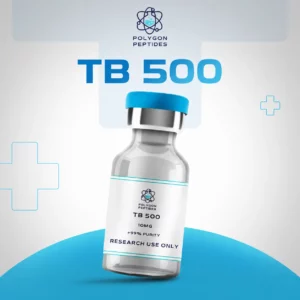
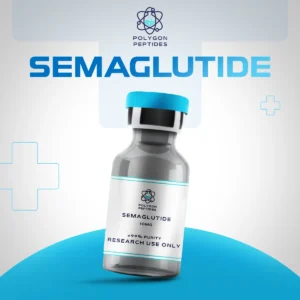
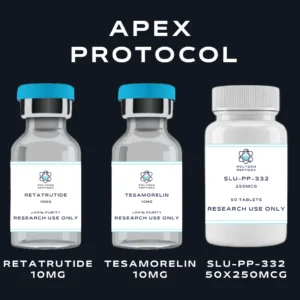
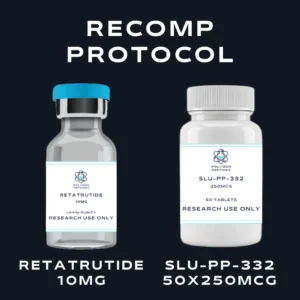
A COA becomes much more useful when researchers can relate to the physical product by suitable identification. Labels can include product names, batch numbers, quantities, storage instructions, and research use statements.
Clear peptide vial labels uk can help with organising the laboratory; it is easier to distinguish samples and maintain accurate inventory records.
Peptide use in the UK – Is it legal?
The question are peptides legal in uk cannot be answered with one blanket statement covering every substance and situation. The rules of the game may differ depending on the specific compound, its intended use, its marketing and the relevant UK legislation.
When researchers are unsure about a particular chemical, they should consult the current official UK guidance and seek professional advice.
Research Peptides?
In simple terms, “what are research peptides” can be defined as materials made of peptides that are employed in scientific studies and research in a laboratory setting. They are very different in terms of their properties and uses.
It is important to keep in mind that a product containing peptide compounds need not be automatically regarded as a medicine or a dietary product or cosmetic ingredient.
What Makes a Product “Premium”?What does “Premium” mean?
Words like “premium” don’t mean much without a qualification. Documentation, traceability, analytical information, transparent policies, and product identification should be the focus of the research.
The advertising language should not be a determining factor in the choice of premium research solutions peptides, but rather the evidence. A supplier that can offer real data can be evaluated more objectively by researchers to gauge claims.
What About Retatrutide Research?
Retatrutide has garnered a lot of research interest, and sometimes the internet can become a source of research information and information that has not been supported. Published information should be differentiated from promotional information, and up-to-date scientific and regulatory information should be consulted.
When choosing research peptides uk retatrutide, it is important to consider all the evidence and not presume that if it is available commercially, it is approved for human use.
What about peptides in skincare?
Research peptides and cosmetic peptides should be treated as separate categories. A beauty product may also contain a peptide due to the chosen formula, but that does not amount to a lab research fabric.
A common shopper question is what moisturizer has the most peptides. There is no standard answer because formulations vary in peptide types, concentrations, and excipients.
Peptides are the main components of skin care products.
Cosmetics are classified into several categories such as signal peptides, carrier peptides, enzyme-inhibitor peptides, and neurotransmitter-related peptides. They have different functions and formulating roles.
People searching for types of peptides for skin should therefore assess the complete cosmetic formulation rather than assuming that a higher peptide count automatically means a better product.
Here are 5 Questions to Ask about a COA.
- Does the certificate belong to a particular batch?
A document is not as useful as information specific to a batch for traceability.
- Who was the testing done by?
If a testing source is used, then enough of the certificate should be given to understand.
- Which analytical method was used?
The method is important because the type of analytical information varies with the method.
- Is it the same product as described in the product label and/or COA?
Product identity, batch references, and relevant information should be consistent.
- Does the COA address all the quality questions?
No. COA is not a comprehensive quality assurance document, but just one component of supplier assessment.
Contact Us
Need any of the following information about certificates, batch documentation, product identification, or research-use information? Please call us for clarification. When a question is beyond the expertise of the professional supplier, he or she should be able to present information that is easily understood and direct the researcher to the proper official or scientific source for the information.
About the Author
Polygon Peptides Editorial Team
The Polygon Peptides Editorial Team develops educational material about peptides, laboratory research and development, biotechnology, molecular science, and other scientific advancements. The team’s emphasis is on the clear and accessible presentation of technical information with an emphasis on research documentation, responsible scientific practices, product information, and regulatory awareness.
Sources & References
Legislation and regulations laid down by the UK government
United Kingdom Health Security Agency (UKHSA)
This guidance is applicable for Good Laboratory Practice (GLP)
Scientific literature reviewed by peers
The analytical and laboratory quality resources recognised.
Final Thoughts
While it’s crucial to understand a Certificate of Analysis, it should not be the sole factor when assessing research suppliers. Researchers must assess the batch information, analytical techniques, and labels used on the products, the transparency of suppliers, and guidance from the regulators before making a decision. By using a systematic, evidence-based approach, it is possible to filter out any significant documentation from the marketing messages and make it easier to find the best research peptides uk supplier for responsible lab work.
FREQUENTLY ASKED QUESTIONS
No. In addition to supplier transparency, product documentation, traceability, storage information, customer support, and relevant regulations, researchers should take into account the COA.
A COA provides information on the tests performed and the method and specifications used. Should not be regarded as a standard that covers all quality aspects.
Where a batch number is provided, it should correspond with the supporting documentation. If there is any difference which cannot be explained, it should be discussed with the supplier.
No. Analytical testing is not legal classification. Regulatory information in the UK should be consulted by researchers.
Yes. Researchers can make reasonable inquiries about what they are able to find on available documentation, testing methods, batch information, storage requirements, and product identification before purchasing.