
Quick Answer
The top research peptides in the UK for 2026 include BPC-157, TB-500, GHK-Cu, CJC-1295 No DAC and MOTS-c.
These compounds are commonly discussed in laboratory, in-vitro and preclinical research contexts because they relate to peptide signalling, amino acid sequences, cellular pathways and research model design.
This article looks at research peptides UK 2026 from a scientific and documentation-focused angle. These compounds are not presented for human or veterinary use. They are discussed only for laboratory and research contexts.
Researchers comparing UK peptides often look beyond the peptide name. Purity, HPLC testing, Certificates of Analysis, batch transparency, storage conditions and supplier documentation all matter.
For broader background on peptide structure, amino acid sequences and research-only terminology, see Understanding Research Peptides: A Complete Guide for 2026.
Polygon Peptides offers a research-grade peptide catalogue for laboratory and research use only through its UK peptide shop.
Why Research Peptides Are Discussed More in the UK
Search interest around research peptides has grown because more laboratories, technical readers and research-focused buyers are looking for clearer information about peptide research UK topics.
Peptides are short chains of amino acids. Depending on their length, they may be described as dipeptides, tripeptides, oligopeptides or longer peptide chains. In research, these molecules are studied because their amino acid sequences may interact with biological pathways in specific ways.
However, research interest does not mean approved human use. Findings from cells, animals or controlled models should not be treated as confirmed human outcomes.
That is why research peptide content needs careful wording. A responsible UK peptide guide explains what researchers study, what documentation matters and why quality control is important. It should not make treatment claims, dosage claims, self-use claims or performance claims.
What Makes a Peptide Research-Grade?
A research-grade peptide is judged by documentation, testing and quality control.
Important quality indicators include:
- Peptide name and sequence information
- Purity percentage
- HPLC testing
- Certificate of Analysis
- Batch number
- Storage guidance
- Lyophilised or reconstituted state
- Supplier transparency
- Research-only labelling
HPLC testing is especially important because it helps assess peptide purity. Polygon Peptides explains this further in The Importance of HPLC Testing in Peptide Research.
A Certificate of Analysis also supports batch-level documentation and gives researchers clearer information before a compound enters a laboratory workflow. Polygon Peptides explains this in more detail in What Is a Certificate of Analysis COA?.
Storage conditions also matter because research peptides may have different handling requirements depending on whether they are freeze-dried or reconstituted. For more detail, read the Peptide Storage Guide: Freeze-Dried vs Reconstituted Peptides.
1. BPC-157 Research Overview
BPC-157 is one of the most searched research peptides in the UK. Search terms such as BPC-157 peptide UK, BPC 157 UK peptides and BPC peptide appear often because this compound is widely discussed in preclinical research.
BPC-157 is a synthetic peptide made from a sequence of amino acid residues. It is often explored in research models related to tissue-response pathways, gastrointestinal models and cellular signalling.
However, BPC-157 should not be described as a treatment, recovery product or human-use compound. Most discussion around it belongs within laboratory and preclinical research contexts.
Researchers commonly assess BPC-157 through:
- Peptide purity
- COA availability
- HPLC testing
- Storage conditions
- Research model relevance
- Research-only labelling
For a deeper research-only explanation, read the full BPC-157 research overview guide.
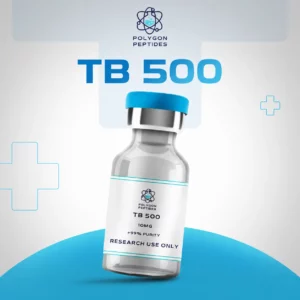
2. TB-500 Research Overview
TB-500 is another widely discussed peptide in research settings. It is often compared with BPC-157 because both appear in tissue-response and cellular pathway discussions.
In research contexts, TB-500 is often discussed around:
- Cell migration models
- Actin-related research
- Angiogenesis pathway interest
- Tissue-response research models
- Peptide sequence activity
This does not make TB-500 a human-use product. The safer and more accurate angle is laboratory interest, not personal outcomes.
TB-500 also connects well with wider peptide research topics such as peptide production, amino acids and side chains, oligopeptides, chemical synthesis of peptides and research chemical documentation.
Because TB-500 is often compared with BPC-157 in research discussions, the BPC 157 vs TB 500 comparison guide gives a clearer breakdown for researchers.
3. GHK-Cu Research Overview
GHK-Cu is a copper peptide and one of the clearest examples of why tripeptides matter in research.
A tripeptide contains three amino acids. GHK-Cu is commonly discussed because it combines a short peptide sequence with copper-binding properties. This makes it relevant in research discussions around extracellular matrix models, skin-related cell studies and copper peptide signalling.
Safe research angles for GHK-Cu include:
- Tripeptide structure
- Copper peptide research
- Cell culture models
- Matrix-related research pathways
- Laboratory comparison with other oligopeptides
GHK-Cu should not be described with cosmetic, anti-aging or treatment promises. The stronger research angle is scientific interest, sequence structure, copper peptide behaviour, quality documentation and research-only handling.
4. CJC-1295 No DAC Research Overview
CJC-1295 No DAC is commonly discussed in peptide research because it appears in growth hormone secretagogue research models.
The “No DAC” version is often researched separately from CJC-1295 with DAC because the two forms differ in structure and research behaviour. In laboratory discussions, this distinction matters because even small structural differences can affect how a peptide is studied.
CJC-1295 No DAC is relevant to research areas such as:
- Peptide hormone examples
- Secretagogue research models
- Amino acid sequence comparison
- Research model design
- Peptide stability and handling
This compound should not be framed around body composition, performance, human outcomes or self-use. The correct angle is research interest, documentation, purity and laboratory context.
For researchers comparing peptide types, the wider Polygon Peptides research peptide catalogue provides product-level information for laboratory use only.
5. MOTS-c Research Overview
MOTS-c is often discussed in mitochondrial and metabolic-pathway research. It is different from shorter peptides such as GHK-Cu because researchers usually approach it through mitochondrial signalling and cellular energy model discussions.
For a UK research peptide article, MOTS-c adds topical depth because it connects peptide research to broader biochemical themes.
Research discussions around MOTS-c may involve:
- Mitochondrial pathway research
- Cellular stress models
- Metabolic signalling studies
- Amino acid sequence analysis
- Research model selection
MOTS-c should be described as a compound of research interest, not a wellness product, treatment compound or personal-use product.
Why Retatrutide Keywords Need Care
Retatrutide peptide UK is a heavily searched term, but it needs careful handling in UK-focused research content.
Many search queries around retatrutide include commercial, dosage, pen, weight-loss and self-use intent. Those terms do not fit a compliance-safe research article.
Retatrutide should only be discussed in a regulatory and research-context way, with no claims about use, dosing, results, treatment outcomes or availability for self-administration.
This distinction matters because peptide content can quickly become unsafe when it moves from research explanation into personal-use advice.
Are Peptides Legal in the UK?
The question “are peptides legal UK?” is common, but the answer depends on the compound, intended use, labelling, claims and regulatory context.
Some peptides may be supplied for legitimate research settings. However, content around peptides must stay careful because claims can change how a product is understood.
Research peptide content should avoid:
- Medical claims
- Treatment promises
- Human-use instructions
- Injection guidance
- Dosage schedules
- Weight-loss claims
- Muscle-growth claims
- Before-and-after outcome claims
A compliance-safe peptide page keeps the research-only position clear and avoids wording that suggests personal use.
 Research Chemicals, COAs and Lab Documentation
Research chemicals UK content requires precise wording. Peptides are not ordinary consumer supplements. They require proper documentation, handling and storage awareness.
Researchers may look for Safety Data Sheets, COAs, batch details and storage information before working with a compound. These documents support clearer laboratory workflows and stronger record keeping.
Useful documentation includes:
- Certificate of Analysis
- HPLC purity result
- Batch number
- Storage guidance
- Handling notes
- Research-only statement
For laboratory preparation context, Polygon Peptides also has a research-focused guide on how to reconstitute peptides step by step.
Polygon Peptides also provides a peptide calculator as a research reference for laboratory contexts. It is not dosage advice and should not be treated as personal-use guidance.
How to Compare Research Peptides in the UK
When comparing research peptides UK 2026 options, the compound name is only one part of the decision.
| Factor | Why It Matters |
|---|---|
| Purity | Helps assess compound quality |
| HPLC testing | Supports purity verification |
| COA | Gives batch-level documentation |
| Storage guidance | Helps protect research material integrity |
| Research-only labelling | Reduces confusion around intended use |
| UK availability | Helps laboratories plan timelines |
| Supplier transparency | Builds confidence in sourcing |
The phrase pure peptides UK should point toward real testing, clear documentation and transparent handling standards.
FAQs
What are research peptides?
Research peptides are peptide compounds used in laboratory, in-vitro or preclinical research contexts. They are not automatically approved for human or veterinary use.
What are the most researched peptides in the UK?
Commonly discussed research peptides include BPC-157, TB-500, GHK-Cu, CJC-1295 No DAC and MOTS-c.
Are peptides legal in the UK?
It depends on the compound, intended use, labelling, claims and regulatory context. Research-only supply must avoid human-use and medicinal claims.
What should researchers check before sourcing peptides?
Researchers often check HPLC testing, COAs, purity, batch details, storage guidance and research-only labelling.
Is BPC-157 a research peptide?
BPC-157 is widely discussed in preclinical peptide research. It should be described through a research-only lens, not as a treatment or self-use product.
Why does HPLC testing matter in peptide research?
HPLC testing helps assess peptide purity and supports more reliable research documentation.
What is the difference between peptide production and custom peptide synthesis?
Peptide production is the broader process of creating peptides. Custom peptide synthesis usually refers to making a specific peptide sequence for a research requirement.
Should research peptides include a COA?
Yes. A Certificate of Analysis helps researchers review batch-specific quality information before using a compound in a laboratory workflow.

Final Recommendation
The most researched peptides in the UK for 2026 include BPC-157, TB-500, GHK-Cu, CJC-1295 No DAC and MOTS-c.
Each one appears in peptide research discussions for a different reason. Some are linked to tissue-response models. Some are discussed in copper peptide or tripeptide research. Others are explored in secretagogue, mitochondrial, cellular or metabolic-pathway models.
The strongest way to discuss these compounds is not to rank them as the “best peptides to use.” A safer and more accurate approach is to explain why they are researched, what researchers check, and why quality documentation matters.
For UK peptide research, trust is built through HPLC testing, COAs, research-only labelling, batch transparency and clear storage guidance.
Research-grade peptides can be explored through the Polygon Peptides UK research peptide shop, including individual peptide listings and selected research peptide blends.