
Introduction
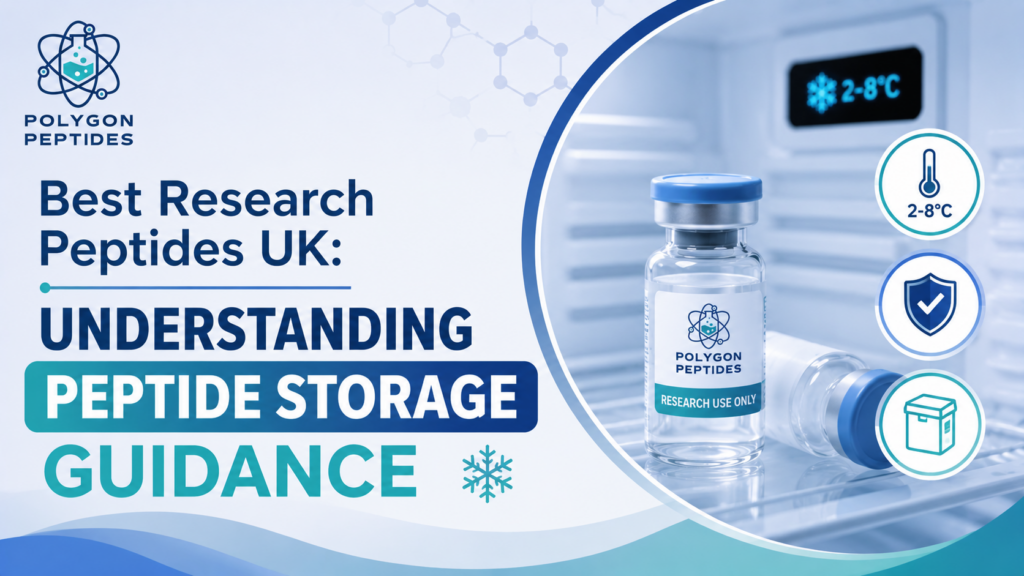
Selecting the best research peptides uk supplier is just one aspect of responsible research preparation. When research materials are received, proper storage is also crucial. Peptides can also be sensitive to the environment, and as a result of poor storage, physical issues and/or loss of confidence in the quality of the peptides over time. Researchers should therefore carefully consider the product documentation and label information, storage instructions, and laboratory protocols provided by the supplier. The method employed depends on the compound, formulation, and packaging and so must be adapted to the particular instructions given with the material.
Quick Answer
Why are storage conditions important?
How you store your research materials is a crucial component in having an organized collection. The condition of some peptide products can be affected by repeated exposure to unsuitable conditions, handling, light, temperature, and moisture.
It is recommended that researchers check the buy research peptides uk storage information before adding the material to the lab inventory. The following details are helpful to keep a record for future consistency: Product name, batch information, date received, storage recommendation, and storage location.
Follow the Product-Specific Instructions
No single method of storage applies to all peptides. The stability requirements, formulation, and packaging needs may vary from product to product.
Assumptions based on other peptides are never a good idea in the case of research with peptides and research labs uk peptides: following the manufacturer’s or supplier’s product-specific instructions is the safest route to take. Contact the supplier if documentation is ambiguous, rather than assume.
Which Environmental Factors May Impact Peptides?
Several environmental factors can affect research material stability. Often temperature is significant, but it is not the only factor. Depending on the type of material, exposure to moisture, light, oxygen, contamination, and overhandling could also be a factor.
Laboratory procedures should be clearly defined by researchers who are using genetic research peptides uk for the reception, storage, and access of materials. You will have an easier time keeping track of the inventory and detecting any storage issues in the process.
Should Information Stored by Researchers be Checked before Ordering?
Yes. Storage should be planned BEFORE the product is ordered. This enables researchers to decide whether there are appropriate facilities at their laboratory and whether the material can be handled based on the recorded requirements.
When buy research peptides online uk, you should read the product information thoroughly and determine if there are any specific storage instructions mentioned. A supplier that openly conveys these requirements will provide researchers with valuable information before purchase.
Properly label Research Materials.
If several research materials are stored in the same laboratory, it is important to have the proper identification. Appropriate product information and laboratory records should be related to each container.
Researchers need to look for how the peptide research chemicals for sale are identified, and if the supplier has any useful batch/lot information. Clear identification can be used to help manage inventory and minimise the risk of mix-up.
What is involved in a Storage Record?
Some of the data that may be included are: product name, batch/lot number (where applicable), date received, recommended storage conditions, location, and other pertinent information.

If one is purchasing peptide compounds for sale, having all these pieces of information and laboratory inventory records can help with routine monitoring. It is also helpful for researchers to reference if they have any questions regarding the specific batch that the supplier supplied.
Temperature: Follow the Documented Requirement
One of the first parameters that will come to mind when considering peptide storage is temperature. But the proper temperature will vary according to the product and its formulation.
Researchers venturing into the realm of research chemicals uk buy must review the supplier’s directions before making decisions on where materials will be housed. One should not assume that all peptides need to be stored at the same temperature, but rather follow the documented recommendation for the particular product.
Don’t Guess Storage Conditions
A frequent problem is that people mix up the storage guidelines for one product with another. Sometimes the stability of two seemingly identical materials is not the same.
Researchers should make sure to ask questions about storage from the supplier if they do not have enough information. Don’t assume based on the product name or the general web advice; it’s more helpful to have clear instructions.
Protect Materials From Unnecessary Exposure
For certain research materials, the following factors might also be important: light, moisture, and exposure to the environment. The significance of each factor will vary according to the compound and its formulation.
The supplier’s overall storage information for legal research chemicals uk is a more important factor to take into account than the legal status of a chemical. The questions related to regulation and the physical space requirements are distinct and must be evaluated separately.
The importance of original packaging.
It can be easier to manage inventory if materials are kept in their original, appropriately labeled packages. It allows for maintaining the association of material, product information, and associated batch information.
Before ordering research chemicals online uk researchers need to confirm the packaging and identification of products. Packaging should facilitate traceability and give information that can be cross-checked with laboratory records.
Minimize Unnecessary Handling
Materials used for research should be handled in compliance with appropriate lab protocols or product directions. Opening, moving, or exposing any material for no apparent purpose repeatedly can create unnecessary opportunities for environmental exposure or contamination.
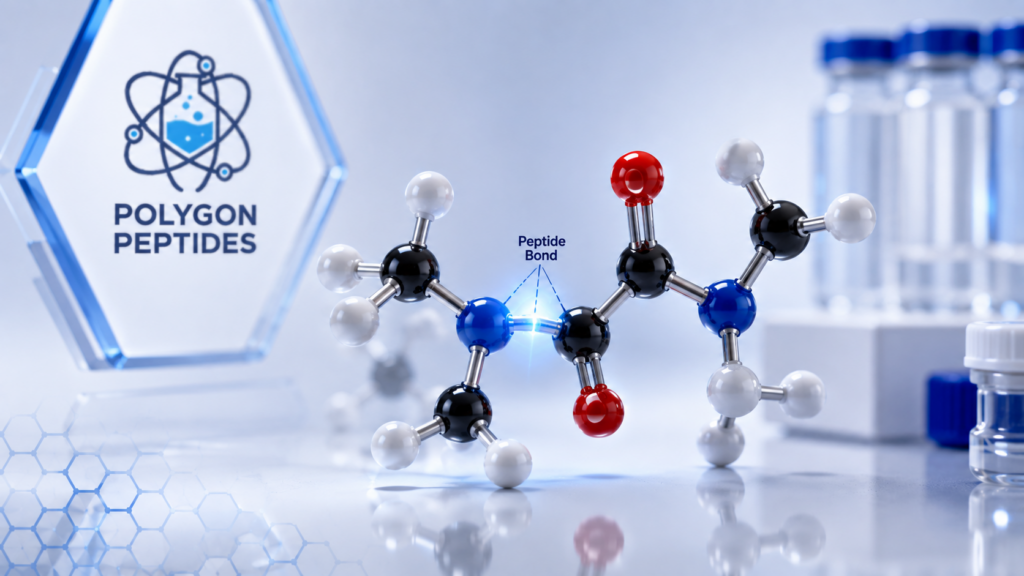
When researchers buy research chemicals uk, they will need to create a structured protocol for their use of stored materials. Having a clear system helps to minimise unnecessary handling and helps inventory become predictable.
Why are Clean Laboratory Practices important?
Storage is more than just putting the container somewhere. The surrounding laboratory working environment and handling also contribute to responsible material management.
Researchers should review research chemicals for sale uk to see if the supplier offers suitable handling and storage details. This information can assist the laboratories to integrate new products into their existing procedures.
What About Peptide Vials?
Vials are commonly used to package research materials, but the appropriate handling and storage requirements depend on the particular product. Don’t open or touch containers unless they are being used for research.
For example, in the case of the tirzepatide peptide vial uk, investigators need to follow the instructions that come with the drug and verify the current regulatory requirements. Just because the drug is available online does not mean that humans can use it.
Ensure that Labels are Clear and Readable.
Accurate labels aid research in the identification of the stored material. The label should be legible during the entire storage time and should match the laboratory records.
A good peptide vial labels uk should contain relevant labelling information including product name, batch reference, quantity, storage details, and the research use designation (if applicable). Labelling requirements for researchers should also be adhered to in the laboratory.
How to proceed if you don’t have Storage Information?
Researchers should not guess if there is no guidance available or it is unclear. This should be done by contacting the supplier and/or referring to the relevant technical documentation.
An are peptides legal in uk provider ought to be able to differentiate regulatory guidance from physical storage guidance. The legal status has nothing to say about the way a specific material is to be stored.
Understanding Research Peptides
What are research peptides are simply materials that can be made from peptides and are used for research. The properties, research purposes, and application handling can vary widely.

Individual compounds are not the same, so advice on storage should always be product-specific. Researchers should not rely on general internet information but should look for specific information.
Does ‘Premium’ equate to easier storage?
Not necessarily. The term “premium,” etc., is a marketing term and does not set a specific storage requirement.
A researcher reviewing premium research solutions peptides must be interested in the actual documentation supplied with the product. Useful quality claims should be backed by product information and relevant records.
Emerging Research Compounds require handling by certified personnel.
Certain compounds are of great interest because of current research. But popularity on the Internet doesn’t always give you the information you need about stability, storage, legal use, or research applications.
Researchers looking for research peptides uk retatrutide should refer to the latest scientific and regulatory data and adhere to the particular documentation provided in relation to the material. They should not assume storage requirements based on data concerning different peptides.
What About Peptides in Skincare?
Please be aware that research peptides are not cosmetic peptide formulas. Skincare products are formulated and managed for cosmetic use, and research materials are formulated and managed for scientific research.
One of the most frequently asked questions from consumers is what moisturizer has the most peptides. This is because the purpose of each cosmetic formulation varies in terms of peptide type, amount, and backing substances. Also follow cosmetic storage instructions as per the product.
Knowing the types of peptides used in skin care products.
Consumers also look for types of peptides for skin, such as signal peptides, carrier peptides, enzyme-inhibitor peptides, and cosmetic peptides.

These terms refer mainly to skin care products and should not be used to establish the storage needs of laboratory research products. Product-specific technical information should be used instead.
An easy storage procedure for researchers.
It does not take much to have a good storage system. These are some consistent steps that researchers can take:
When the material is delivered, make sure to read the product documentation.
Write down the product name and batch.
Verify recommended storage conditions.
Assets should be stored in the proper designated areas.
Label Made Readable and Visible.
Maintain an up-to-date inventory.
Check storage conditions as per laboratory procedures.
This is an easy method to make researching easier.
How Polygon Peptides Supports Product Information
Polygon Peptides offers product information so that the customer has a better understanding of what research materials are available and their stated needs. Researchers need to carefully examine the product information for that product and adhere to the instructions provided—do not assume how it is stored.
Communication is particularly beneficial when researchers require clarification about documentation, product identification, or storage instructions.
Why Documentation Should Be With Your Records
The documentation of research is most useful if it is related to the product being documented. Maintaining records and product information, batch details, and storage information can enhance traceability within a research project.
Researchers can reach out to Polygon Peptides if they have questions regarding the information available in the products. If a question relates to the scope of legal or regulatory interpretation, it should also be referred to the UK authority or professional.
Contact Us
Need information on product documentation, storage details, labelling or research-use? Ask us any questions. This information about the product should be made available by a responsible supplier and should include clear information and explanation about where researchers can find useful scientific or regulatory advice.
About the Author
Research & Scientific Content Specialist
A content expert (specialist in scientific, laboratory, and research industry topics) has prepared this article. The aim is to make the concepts of storage and supplier evaluation easy to understand and to invite researchers to confirm significant technical and regulatory data from relevant sources.
Sources & References
This information comes from the UK Government — Research and laboratory guidance.
This information is taken from the UK medicines and regulatory information agency, MHRA.
OECD — Good Laboratory Practice guidance
Peer-reviewed research on peptide stability and handling in the lab.
Scientific and regulatory publications relevant to the subject.
Final Thoughts
Storage is a crucial aspect of the responsibility of research-material management. Researchers should not assume anything, label the products clearly, keep accurate records, and follow the directions given for each product. Supplier transparency is also important, as it is easier to know how products should be handled when there is transparency. Assessing research peptide suppliers with knowledge and appropriate storage methods can help researchers make informed decisions when selecting the best research peptides uk vendors and handling materials in a laboratory setting.
FREQUENTLY ASKED QUESTIONS
No. Storage requirements may differ from product to product. Researchers should adhere to specific instructions given for the particular material.
Some research materials may be unstable as a function of temperature. The correct condition will depend on the product, and the researchers should adhere to the documented storage instructions for the product.
Yes. The labeling process is very useful in organizing and tracking the items. The label should be consistent with the required documentation.
Consult the supplier regarding the issue. Use product-specific documentation, where possible.
Not automatically. The formulation and requirements of cosmetic products and research materials may vary. Always use the instructions given for the product in particular.