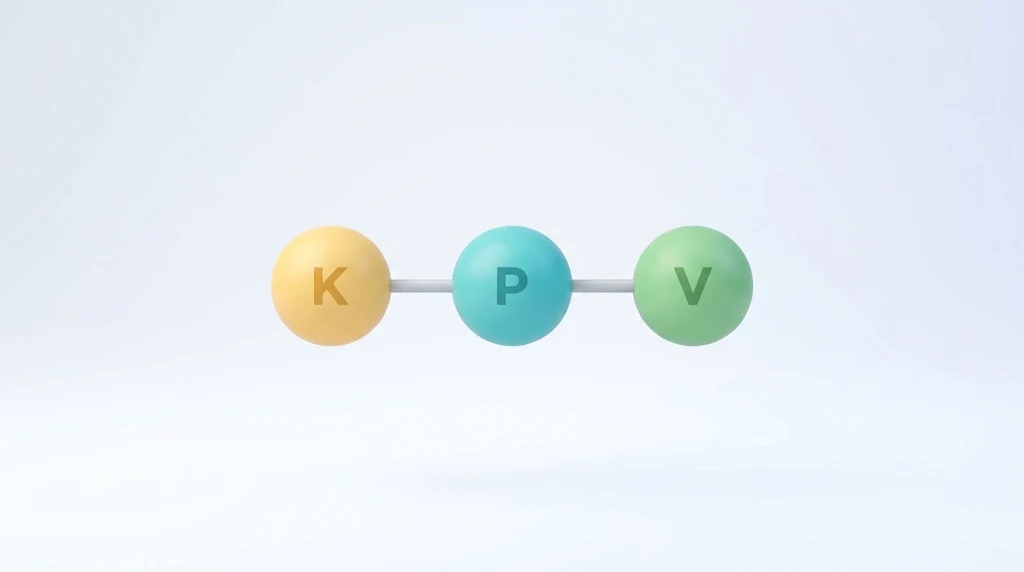
If you have searched what is kpv peptide, the short answer is that KPV is a three-amino-acid fragment of a larger hormone, and almost everything published about it comes from cell cultures and animal models rather than human trials. This guide walks through its structure, how researchers study it, what the papers do and do not show, and how it compares with other peptides that appear in the same literature.
Quick answer: Alpha-MSH is a 13-amino-acid hormone, and KPV is its final three residues: lysine, proline and valine. Studies so far are preclinical, covering inflammatory signalling, gut cell models and microbial assays. No human dose is established, and KPV is not an approved drug.
Everything below is written for laboratory researchers. Polygon Peptides supplies KPV for research use only, and nothing on this page is medical advice or a suggestion to use any peptide on people or animals.
What Is KPV Peptide?
The name KPV is shorthand. Each letter stands for one amino acid in the chain: K for lysine, P for proline and V for valine. That makes it a tripeptide, among the smallest peptides researchers work with.
The sequence is not random. Alpha-melanocyte-stimulating hormone (alpha-MSH) is a 13-amino-acid peptide, and KPV corresponds to its last three residues, positions 11 to 13. That is why older papers often write it as alpha-MSH(11-13). Its chemical formula is C16H30N4O4, with a molecular weight of about 342.43 g/mol according to PubChem (compound CID 125672).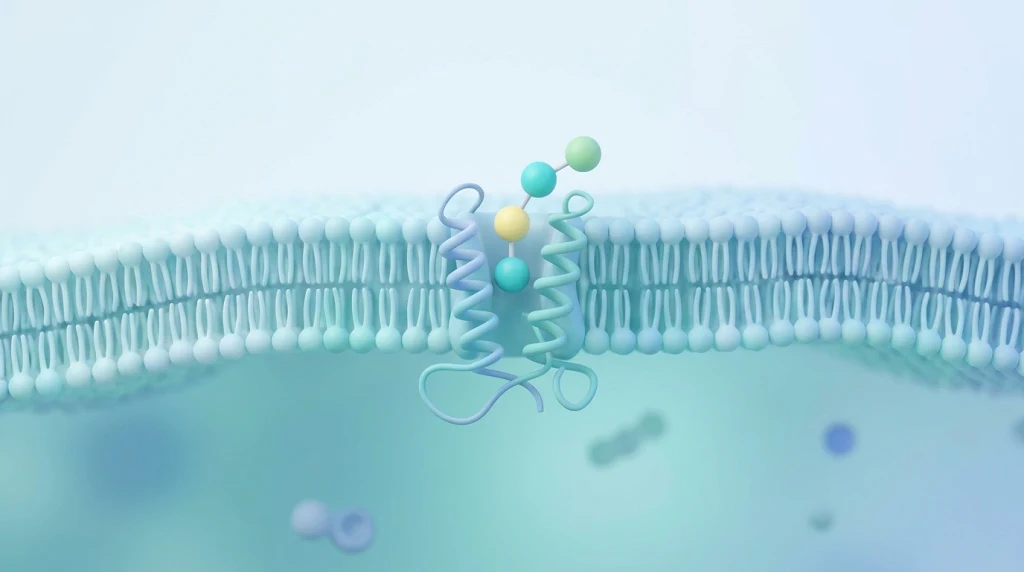
Researchers took an interest because a 2007 review by Luger and Brzoska noted that much of the anti-inflammatory activity seen with alpha-MSH in animal models was attributed to this C-terminal tripeptide. A fragment this small is easy to synthesise and handle, which suits laboratory work. It also raises a fair question: how does it act without the rest of the hormone?
How Does KPV Peptide Work in Research?
So, what does kpv peptide do in laboratory studies? The most detailed answer comes from Dalmasso and colleagues (Gastroenterology, 2008). Using human intestinal epithelial cells and Jurkat T cells, they showed that cells take KPV up through PepT1, a transporter for short peptides. PepT1 is mainly a small-intestine protein, but its levels rise in colon tissue during inflammation, so intestinal models became a natural testing ground.
Once inside the cell, KPV at nanomolar concentrations reduced activation of two inflammatory signalling routes, NF-kB and MAP kinases, and lowered the release of pro-inflammatory cytokines such as IL-8. In that work the effect depended on PepT1 and did not appear to run through melanocortin receptors, which is how alpha-MSH itself usually signals.
A separate mouse study (Kannengiesser et al., 2008) pointed the same way: KPV’s effect in colitis models seemed to be at least partly independent of the melanocortin-1 receptor. The mechanism is still described as incompletely understood, so any single pathway story is best treated as a working model rather than a settled fact.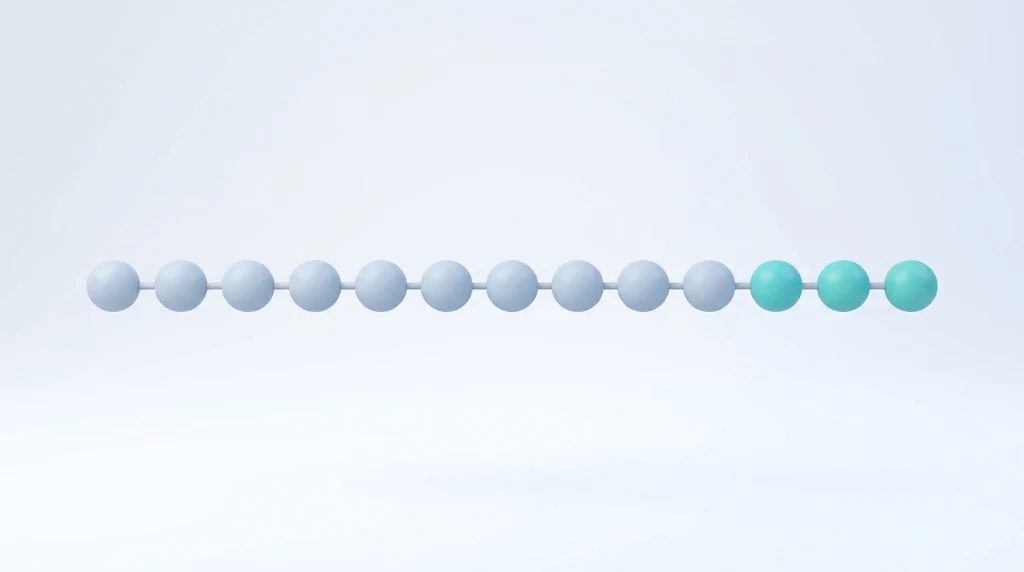
What the Published Research Shows, and Where It Stops
Almost all of the evidence on KPV is preclinical. It comes from cell lines, bacterial and yeast cultures, and rodent models. Results like these are useful for generating hypotheses, but they do not show what KPV would do in people.
Gut inflammation models
In the Dalmasso study, mice with chemically induced colitis (DSS and TNBS models) that received KPV by mouth lost less weight and showed lower levels of myeloperoxidase, an enzyme marker of inflammation, better tissue scores and lower expression of several inflammatory cytokines than untreated animals. Kannengiesser and colleagues reported similar recovery in DSS and transfer colitis models, including mice with a non-functional melanocortin-1 receptor. Both are mouse studies, and neither says anything about doses, safety or effects in humans.
Skin and other inflammation models
The Luger and Brzoska review covers alpha-MSH and related peptides in animal models of contact dermatitis, asthma, inflammatory bowel disease and arthritis, and credits much of that activity to KPV. It is a review of animal and cell work, not a clinical trial, and the authors describe these peptides as holding promise for further development rather than as proven treatments.
Antimicrobial studies
Cutuli and colleagues (Journal of Leukocyte Biology, 2000) tested alpha-MSH and its C-terminal tripeptide KPV against Staphylococcus aureus and Candida albicans in the laboratory. Both peptides reduced S. aureus colony formation and lowered the viability of the yeast, and the authors linked the effect to rising cyclic AMP in the yeast cells. This too is an in vitro result.
Is KPV FDA-Approved?
KPV is not an approved drug, and the sources reviewed here describe no completed human trials. In July 2026 the US FDA’s Pharmacy Compounding Advisory Committee voted 8 to 6, with one abstention, to recommend KPV for the 503A bulk drug substances list. Legal summaries from ArentFox Schiff and DLA Piper note that the vote is advisory and non-binding, and that the FDA must still complete formal rulemaking. That is a US compounding question. It says nothing about whether KPV works or is safe.
What the research does not show
There is no established human dose, no human safety profile and no proven benefit for any condition. Doses used in mouse experiments cannot be converted into human amounts. Any page that says KPV “heals the gut” or “fixes inflammation” is going beyond the published data.
KPV vs Related Research Peptides
The table places KPV beside three compounds that often appear near it in the research literature. Treat it as orientation only. These compounds have different origins and were studied in different models, so findings for one cannot be applied to another.
| Compound | Size | Origin | Main published research context |
|---|---|---|---|
| KPV | 3 amino acids (Lys-Pro-Val) | C-terminal fragment (residues 11-13) of alpha-MSH | Inflammatory signalling, intestinal cell and colitis models, antimicrobial assays |
| alpha-MSH | 13 amino acids | Natural melanocortin hormone | Immune modulation, melanocortin receptor signalling, inflammation models |
| BPC-157 | 15 amino acids | Synthetic sequence based on a protein found in gastric juice | Tissue-repair models in animals |
| GHK-Cu | 3 amino acids (Gly-His-Lys) bound to copper | Tripeptide-copper complex first isolated from human plasma | Skin and tissue-remodelling models |
KPV and GHK-Cu are both tripeptides, but they are unrelated in sequence and origin. For the literature on the longer peptide in the table, see our BPC-157 research overview. BPC-157 10mg is listed for laboratory research use only.
KPV also appears in the KLOW blend, which is GLOW with KPV added. See how the two formulations differ in our GLOW and KLOW comparison.
KPV Peptide Safety: What Is and Is Not Known
None of the papers above describes controlled human safety data. Cell and animal studies cannot establish safety in people, and no regulator has approved KPV for any use. Anyone quoting a “safe dose” or a side-effect profile is extrapolating beyond the published evidence.
In the laboratory, KPV is handled like any research chemical: kept labelled, stored as the supplier directs, used only by trained staff and never on people or animals.
Is There a Standard KPV Peptide Dosage?
No. With no completed human trials in the sources reviewed, there is no established human dose, and quantities used in cell or mouse experiments cannot be converted into one. For that reason this guide does not list doses, schedules or administration routes, and Polygon Peptides does not provide them.
If you are preparing solutions for in vitro work, the peptide calculator handles the concentration arithmetic from vial quantity and diluent volume.
Storage and Handling of Lyophilised KPV
 Research peptides are normally supplied as lyophilised (freeze-dried) powder, which is more stable than a solution. Follow the storage conditions given in the supplier’s documentation for the unopened vial, and keep it dry and out of direct light.
Once reconstituted, peptide solutions are generally refrigerated, protected from light and not repeatedly frozen and thawed, because freeze-thaw cycles can degrade peptides. Our guides cover the details: how to reconstitute peptides step by step and the peptide storage guide for freeze-dried and reconstituted peptides. BAC Water 10ml is the diluent many laboratories use for this step.
If you are sourcing material for laboratory work, KPV 10mg is supplied as lyophilised powder for research use only.
Frequently Asked Questions
What is KPV peptide in simple terms?
KPV is a three-amino-acid fragment of alpha-MSH that researchers study in cell and animal models. It is not an approved medicine.
What does KPV stand for?
Lys-Pro-Val. K, P and V are the single-letter codes for lysine, proline and valine, the three amino acids in the chain.
Is KPV peptide safe?
Human safety has not been established. Published work is preclinical, so KPV is for laboratory research only.
Is KPV a steroid?
No. KPV is a short peptide made of three amino acids, not a steroid hormone.
Is KPV the same as alpha-MSH?
No. Alpha-MSH has 13 amino acids, and KPV is only its last three (residues 11 to 13).
Conclusion
So, what is kpv peptide? It is a tripeptide fragment of alpha-MSH, studied in cell and animal models for its effects on inflammatory signalling and, in laboratory assays, on certain microbes. The evidence is real but early, and it stops well short of human data. The best approach for researchers is to go back to the primary papers, treat claims about doses or benefits with caution, and use the peptide calculator and our storage guides for the practical side of the work.
For laboratory research use only. Not for human or animal consumption. Nothing on this page is medical advice.
References
- Dalmasso G, et al. PepT1-mediated tripeptide KPV uptake reduces intestinal inflammation. Gastroenterology. 2008;134(1):166-178. PMID 18061177
- Kannengiesser K, et al. Melanocortin-derived tripeptide KPV has anti-inflammatory potential in murine models of inflammatory bowel disease. Inflamm Bowel Dis. 2008;14(3):324-331. PMID 18092346
- Luger TA, Brzoska T. alpha-MSH related peptides: a new class of anti-inflammatory and immunomodulating drugs. Ann Rheum Dis. 2007;66(Suppl 3):iii52-5. PMID 17934097
- Cutuli M, et al. Antimicrobial effects of alpha-MSH peptides. J Leukoc Biol. 2000;67(2):233-239. PMID 10670585
- PubChem. Lys-Pro-Val, CID 125672.